LATEST · Travel
Seoul’s luxury hotel ambitions need more than famous names
The prospect of Aman, Rosewood and Mandarin Oriental sharpens a bigger question: what should luxury hospitality in Seoul actually feel like?
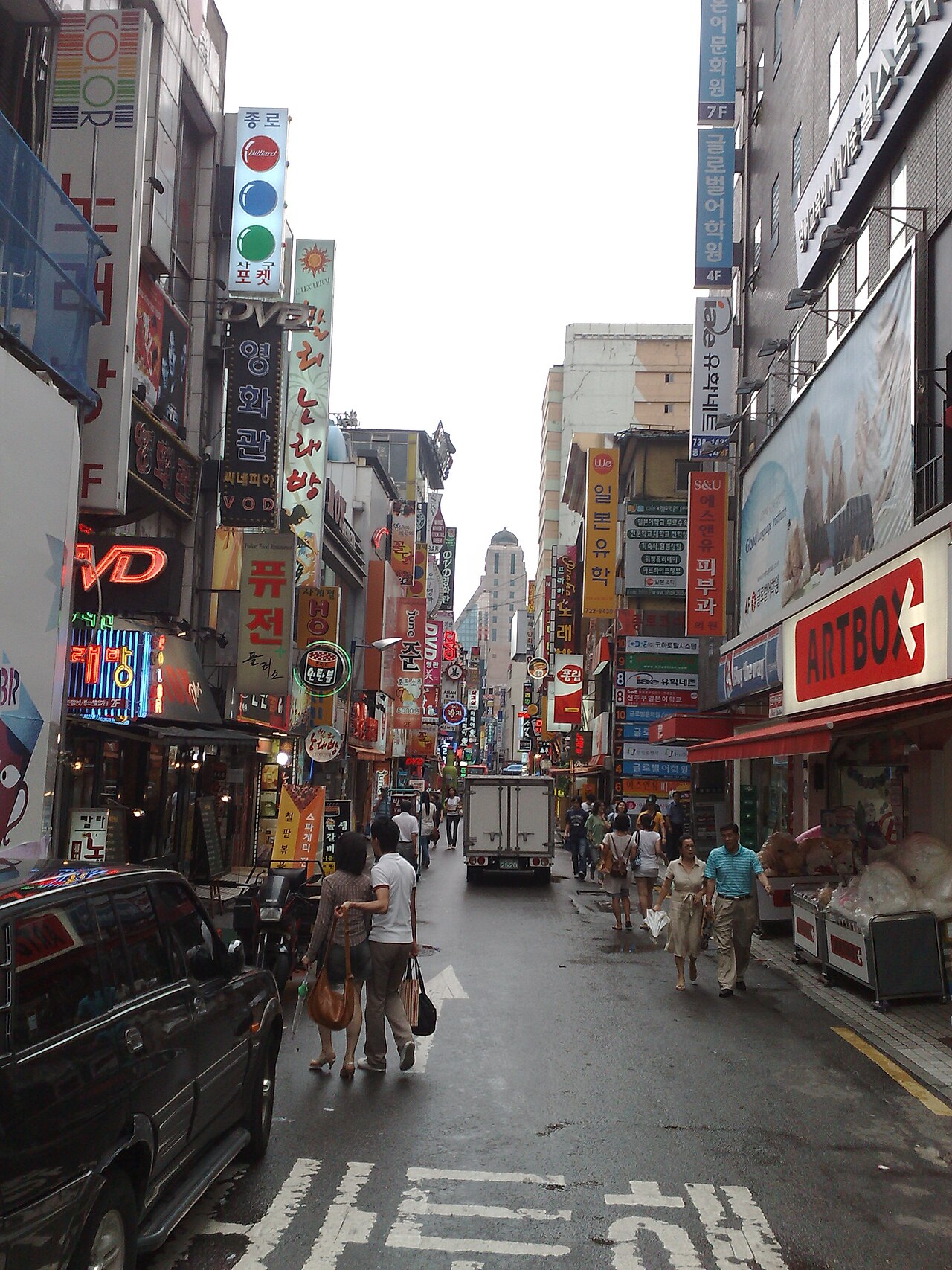
The most interesting threshold in Seoul is not necessarily a hotel entrance. It might be the step from a busy street into a courtyard, where the noise falls away and timber, stone and shadow reorganise your attention. That change of register is what I would want from the city’s next luxury hotel: not insulation from Seoul, but a more attentive way into it.
La Revue des Hôtels has placed Aman, Rosewood and Mandarin Oriental at the centre of a headline casting Seoul as Asia’s prospective new luxury capital. The available source summary provides no opening dates or project details, so it is a proposition rather than an itinerary. Still, the framing deserves scrutiny. Three prestigious names can alter a destination’s visibility. They cannot, by themselves, confer cultural authority.
A capital is not a coronation
I am wary of the phrase ‘new luxury capital’. It turns a complicated region into a league table and mistakes international brand recognition for local accomplishment. Tokyo’s exacting service culture, Bangkok’s river-facing grand hotels and Singapore’s highly managed hospitality infrastructure represent different propositions, not successive holders of one crown. Seoul need not displace any of them to become more compelling.
Its strength lies in a particular tension: the discipline of presentation alongside a restless appetite for revision. You see it in the contrast between Gangnam’s polished retail environments and Seongsu’s repurposed industrial spaces. A hotel that understands that tension could offer something distinctive. One that translates it into a muted lobby, a sculptural chair and a playlist will merely look expensive.
The room must belong here
For me, the design test begins with materials and their use, not motifs. Hanji, the Korean paper traditionally made from paper mulberry fibres, offers a vocabulary of filtered light and surface. The spatial logic of a hanok offers lessons in thresholds and proportion. Neither should become decorative shorthand, pasted onto a standard international suite to establish an address.
The same applies to service. An intelligent concierge should be able to distinguish a worthwhile contemporary craft gallery from a fashionable photo stop, and explain why a neighbourhood merits an afternoon rather than simply secure a reservation. Luxury’s most persuasive currency is judgement. In a city whose cultural exports arrive already framed by publicity, helping a guest look beyond the obvious is meaningful work.
Prestige needs a local return
There is also a less photogenic question: who benefits? International hotel investment can create opportunities for Korean designers, makers, chefs and hospitality professionals. Whether it does so meaningfully depends on procurement, commissioning and decision-making. A ceramic vessel in a suite is a start; sustained relationships with its makers would tell us considerably more.
My interest in this prospective hotel chapter is therefore conditional, but genuine. Seoul has enough texture to resist the placelessness that so often accompanies global luxury. The task is to preserve that texture while offering comfort, discretion and ease. I would rather check into a hotel that makes Seoul more legible than one that announces, through sheer weight of marble, that the city has finally arrived.
Pan-Asian · Reported from La Revue des Hôtels. Source attribution provided by the Coush desk.