LATEST · Fashion
Korean fashion’s second act needs more than Seoul appeal
As established Korean womenswear labels find renewed interest in Southeast Asia, their next chapter will depend on more than cultural cachet.
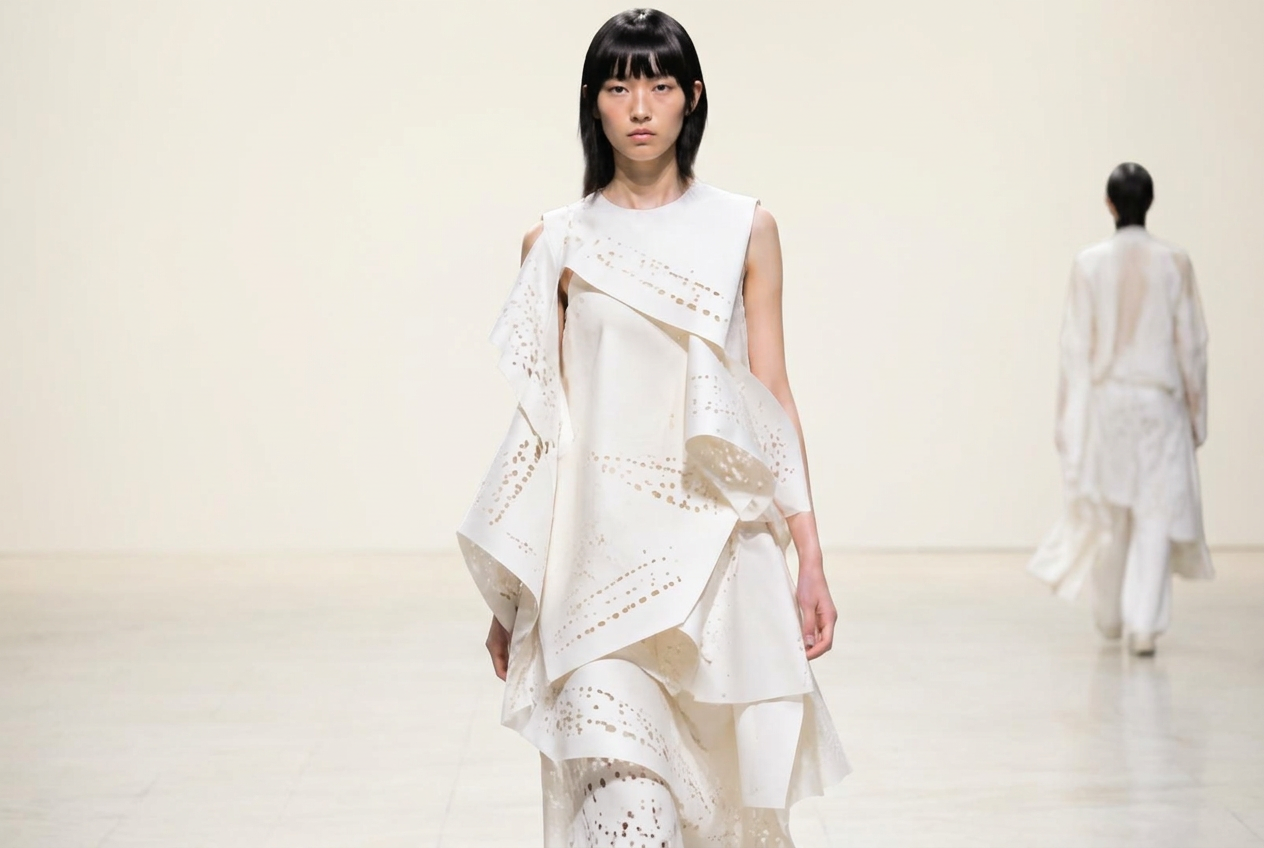
A blazer can look persuasive in Seoul and feel entirely wrong on a Bangkok pavement. The shoulder remains sharp; the lining becomes the problem. That distance between an image and a garment worn in heat is where I would begin assessing the reported “second heyday” of established Korean womenswear brands in Southeast Asia.
The report places first-generation Korean labels, including Studio Tomboy, described as a 48-year-old womenswear brand, within a story of renewed demand in expanding Southeast Asian economies. It is a compelling reversal of fashion’s usual fixation on the debut. These are not newcomers selling discovery, but established businesses finding fresh relevance elsewhere. What interests me is whether that relevance can survive beyond the initial attraction of Korean style.
Age is not the disadvantage
Fashion tends to confuse a young customer with a young brand. I am not convinced they need each other. An established label can offer something valuable: a recognisable silhouette, continuity of taste and an identity that does not require explanation every season. Those are potential strengths, however, not proof of product quality or commercial success.
Studio Tomboy’s longevity gives this story its useful tension. A name familiar at home can arrive abroad without the accumulated associations of an older generation’s wardrobe. That is the opportunity of a second act: not pretending to have been born yesterday, but allowing a different audience to encounter the clothes on its own terms. Heritage matters most when it remains usable.
There is no single Southeast Asian wardrobe
The regional shorthand is convenient for a business headline and inadequate for a buying appointment. Bangkok, Jakarta and Singapore do not constitute one customer. Climate is only the beginning; dress codes, religious observance, working lives and local fashion cultures all affect how a collection is received. Economic expansion alone cannot explain what someone wants to wear.
In Jakarta, for instance, sleeve length and layering options can matter to customers who dress modestly, without defining every Indonesian shopper. In Singapore, the movement between humid streets and air-conditioned interiors poses a different practical negotiation. I would look closely at cloth weight, opacity and the ease of a sleeve before applauding a regional expansion. A convincing campaign cannot compensate for a garment that spends its life in the wardrobe.
Recognition must become attachment
Korean popular culture offers a powerful context for fashion’s visibility, but it should not become the automatic explanation for every purchase. Knowing where a label comes from is not the same as trusting its fit. Nor should customers in Southeast Asia be cast as passive recipients of Seoul’s taste; they bring their own references, expectations and judgement.
The phrase “second heyday” suggests momentum. The available account, however, offers too little detail on sales, repeat purchases or individual markets to establish its depth. My judgement is cautiously favourable: longevity can be an asset, and renewed interest deserves attention. But the more consequential story will be adaptation. Keep the point of view; reconsider the weight, the proportion and the way the clothes are worn. That is how recognition might become attachment.
East Asia · Reported from the original source. Source attribution provided by the Coush desk.