LATEST · Travel
Hanoi beyond the boutique window
A slower city itinerary begins with neighbourhood context, local design and the people behind an address.
A city before an itinerary
Hanoi rewards travel that resists collecting addresses as trophies. The Old Quarter, the French Quarter and the streets around West Lake have different rhythms and histories. Reading them as a single picturesque shopping district misses the working city behind the visitor economy.
For readers interested in design, a boutique is one possible point of entry. Textiles, tailoring and ceramics can reveal relationships between material, labour and place. They should not stand in for the whole city or turn residents into background scenery.
The independent address
A useful shopping guide asks questions before making recommendations. Is a piece designed locally, made locally, or simply sold locally? Can the shop explain its materials and care? If a textile is described as traditional, which community and technique does that refer to?
These questions travel well across Southeast Asia. Ho Chi Minh City, Manila and Singapore have different retail and architectural settings. Good reporting makes those differences visible rather than treating the region as one aesthetic destination.
Leave room for the city
Check access, opening hours and transport directly; do not assume a small studio accepts walk-in visitors. Ask before photographing people or work in progress, and respect restrictions at religious and heritage sites.
This is a draft framework for a reported Hanoi guide, not a verified list of open businesses. Before publication, the travel desk should confirm addresses, speak with local owners and check conditions on the ground.
Photography
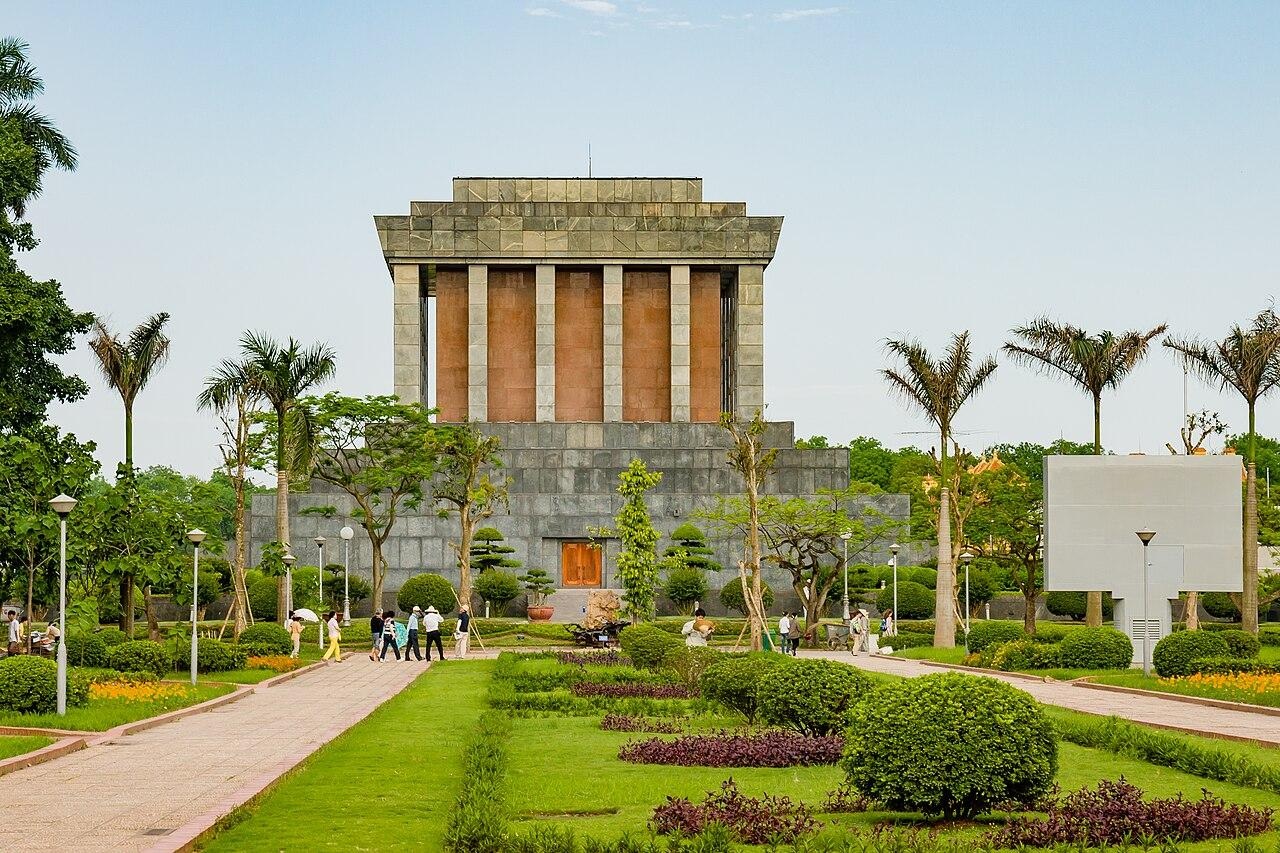
Hanoi, Ho Chi Minh Mausoleum. Photograph by CEphoto, Uwe Aranas, CC BY-SA 4.0, via Wikimedia Commons. City context, not a boutique photograph. Source: https://commons.wikimedia.org/wiki/File:Hanoi_Vietnam_Mausoleum-of-Ho-Chi-Minh-03.jpg