LATEST · People
Fashion Week Asia needs more than a shared stage
A regional platform’s promise rests less on collective visibility than on what designers, makers and their businesses gain from it.
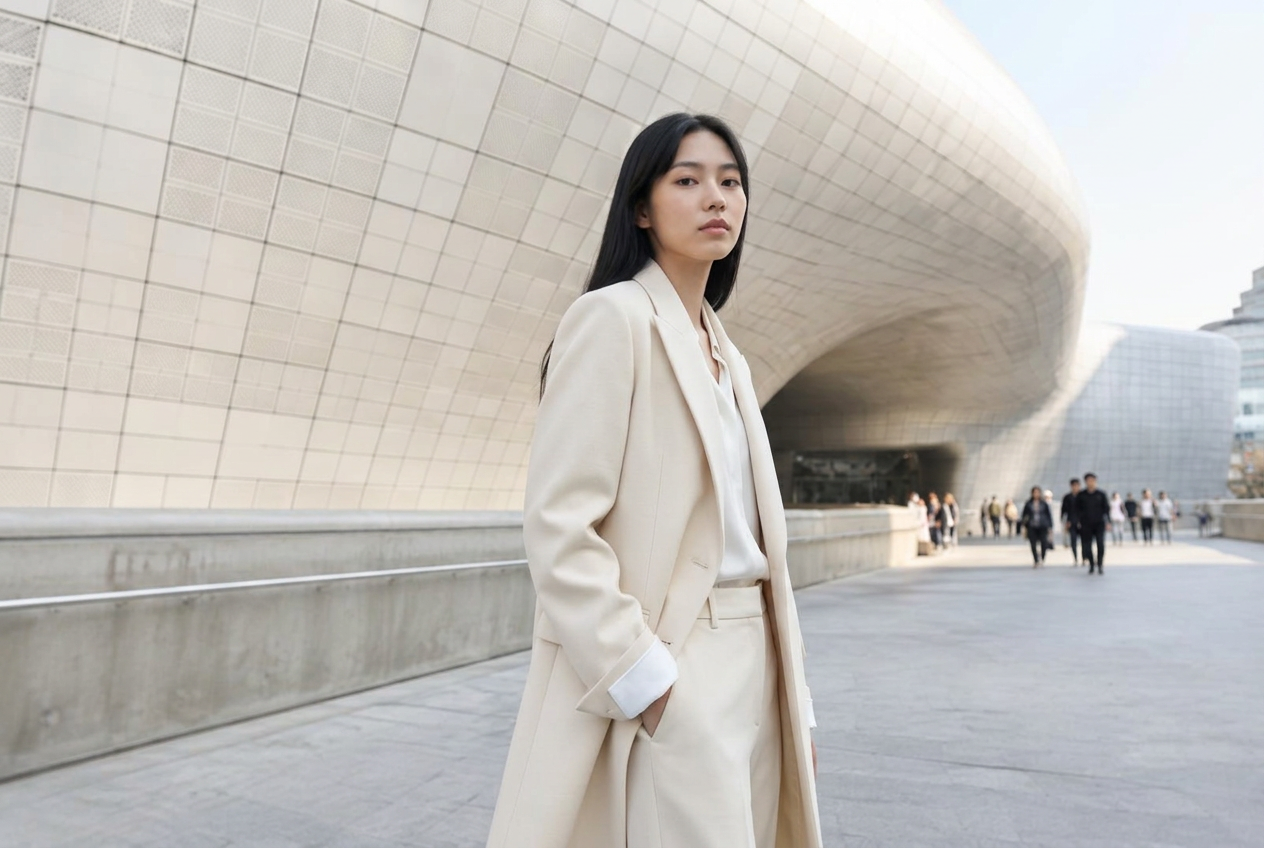
A runway makes distance look deceptively simple. One silhouette follows another; different cities, working methods and material histories become a single procession under the lights. I find that compression both seductive and troubling. Fashion can bring people into the same room without changing who gets heard, who gets paid or whose name survives the photograph.
The Daily Tribune’s headline presents Fashion Week Asia as a project for a borderless future of design across the region. It is an appealing proposition, though the headline alone tells us little about the machinery behind it. My interest lies in that machinery: whether a shared platform can give individual designers more agency, rather than merely a larger backdrop.
Difference is the point
The regional frame is useful only if it holds difference without smoothing it away. Seoul tailoring, a Saigon atelier and a Gujarat handloom workshop do not share one commercial rhythm or one relationship to cloth. Nor are those places fixed aesthetic categories. Each contains experimentation, inherited skill and arguments about what modern dress should be.
What I want from a cross-border programme is the space to read those distinctions: the tension of a shoulder, the weight of a woven panel, the choice to leave a surface unembellished. An introductory label saying where a designer comes from is not enough. Good editorial framing explains decisions without turning provenance into an exotic accessory.
Put the people in the frame
There is also a familiar imbalance in fashion’s language of community. The designer becomes visible; the pattern cutter, embroiderer and production team often remain outside the frame. A platform proposing a collective future has an opportunity to change that habit. Credits are a modest beginning. Clear accounts of collaboration, authorship and working relationships would carry considerably more weight.
I would judge its usefulness through practical questions. Can an emerging label meet buyers suited to its production capacity? Is there support for the unphotogenic work of costing, delivery and export? Can a maker decline an order that compromises the work? These are not details beneath fashion’s creative ambitions. They determine whether those ambitions remain possible after the runway is dismantled.
After the lights
None of this argues against spectacle. I like fashion’s capacity to make an unfamiliar proportion suddenly feel necessary, or a colour acquire force through movement. A regional gathering can create encounters that a showroom appointment cannot. But attention is a beginning, not a business model, and applause is an unreliable measure of lasting opportunity.
For Fashion Week Asia, the compelling proposition is not borderlessness itself. Borders still shape shipping, access and the movement of people; declaring them irrelevant does not remove their friction. The stronger ambition would be connection with specificity intact. Bring designers together, certainly. Then make room for their different scales, constraints and intentions—and give us reasons to keep following their work.
Pan-Asian · Reported from Daily Tribune. Source attribution provided by the Coush desk.