LATEST · Luxury
Conrad and the case for a local luxury audience
Conrad’s appeal to local customers raises a sharper question: what makes a luxury hotel worth returning to without a suitcase?
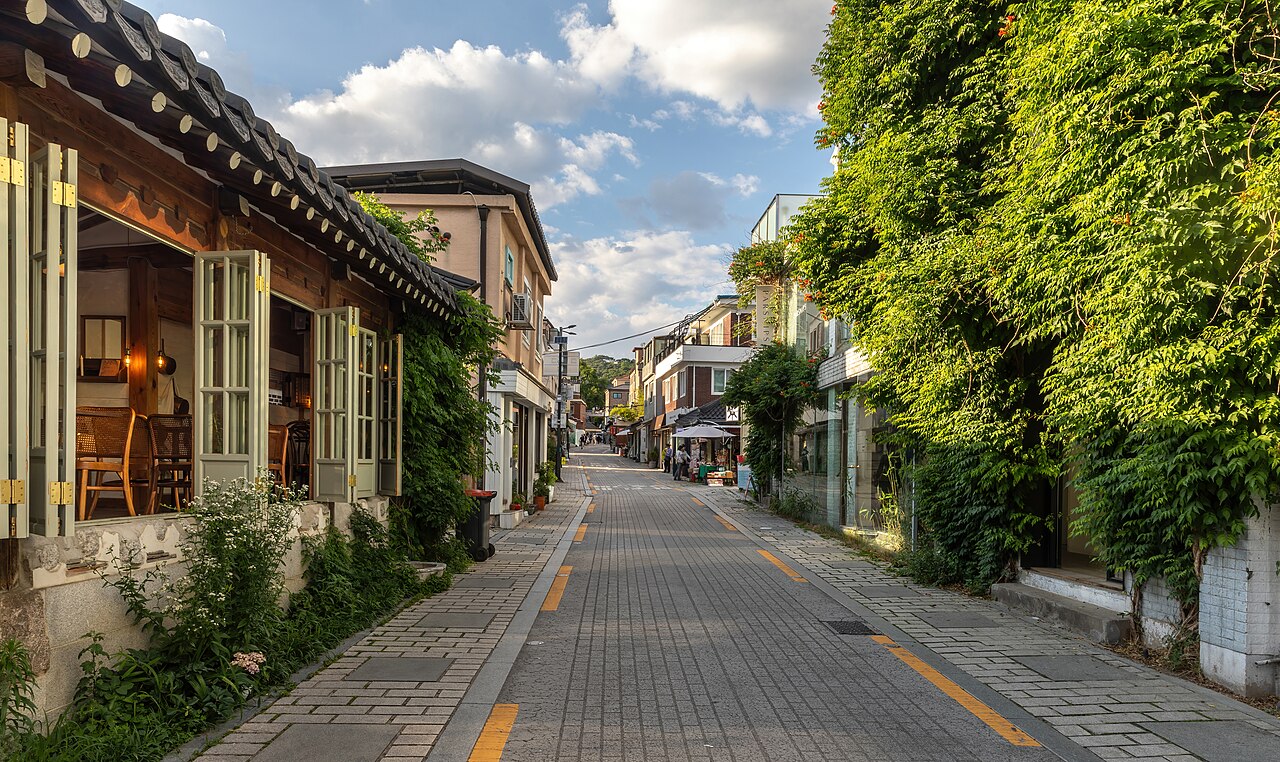
A hotel lobby feels different when nobody is waiting for a room key. The table becomes a destination rather than a holding area; the lighting, the weight of a glass and the distance between chairs matter more. For me, this is where luxury hospitality faces its most revealing test: can it persuade someone who lives nearby to stay for the evening?
TTG Asia’s report frames Conrad’s brand strength and luxury lifestyle programming as draws for the local market. That is a useful signal, though the available source notes offer no detail on individual programmes or commercial results. What interests me is the proposition beneath the headline: the international hotel as somewhere residents choose to spend their time, not merely somewhere visitors sleep.
Recognition gets you through the door
A recognisable name reduces uncertainty. For a dinner that matters, or a family occasion with little room for error, that reassurance has value. But recognition is an invitation, not a relationship. A resident has alternatives and a memory: the awkward welcome, the rushed second course, the room whose polished stone makes every conversation carry.
I am less persuaded by the word ‘lifestyle’ than by the operational discipline it should describe. A worthwhile programme gives people a reason to return beyond novelty. It might connect food, design or wellbeing, but its credibility rests on execution: knowledgeable staff, thoughtful pacing and a setting that feels hospitable rather than staged for a photograph.
Local is not a decorative treatment
Across the region, ‘local’ cannot be treated as a single customer profile. Mumbai’s traditions of hotel dining and large family celebrations are not interchangeable with Seoul’s neighbourhood café culture or Bangkok’s varied restaurant scene. These are distinct social contexts, not instructions for any particular Conrad property. They demand attention before a concept is imported.
The same distinction applies to cultural programming. A Gujarat textile practice deserves more than a cushion and a caption about craft; its material intelligence lies in weave, hand and use. A collaboration with a Seoul designer should engage with the designer’s work, not borrow the city’s fashionable reputation. My preference is for fewer, better-resolved encounters, with authorship made clear and cultural specificity intact.
The return visit is the verdict
There is a tension here that luxury hotels should acknowledge. Programming can animate a building, but relentless activation can make it exhausting. Not every corner needs an event; not every meal needs a narrative. Sometimes the most convincing luxury is acoustic restraint, an unhurried table and staff who recognise when to leave people alone.
Conrad’s reported appeal to local customers is therefore worth watching without confusing a promising proposition with proof of lasting loyalty. The meaningful question is not whether a branded event attracts attention, but whether the hotel becomes part of someone’s ordinary repertoire. I would take the quiet confidence of a second booking over the theatre of an opening night. A neighbour is harder to impress than a passing guest—and far more able to judge consistency.
Pan-Asian · Reported from TTG Asia. Source attribution provided by the Coush desk.