LATEST · Luxury
Asian luxury, beyond the logo
Materials, authorship and the conditions of making offer a more demanding definition of value.
Where value begins
Luxury in Asia is too often discussed only as a market for established European houses. That framing leaves out the designers, ateliers and material traditions producing their own ideas of value. An object does not become more interesting because it imitates familiar international codes.
Provenance is a better starting point: who designed it, where it was made and what the maker can explain about the process. These questions apply to hand embroidery in India, a Japanese workshop and an independent studio in Southeast Asia. Geography alone cannot answer them.
Craft is a relationship
Handwork is often shorthand for rarity. Yet the time an object takes to make says little about whether the people doing that work are credited or paid fairly. Heritage language should not conceal the economics of production.
Which stages are completed by hand? Who has developed the technique? What can be documented about sourcing and working conditions? Where a brand cannot provide evidence, a story should make that limit clear.
The business behind the object
Brand launches and funding announcements belong in this conversation, but capital is not a substitute for design quality. Funding figures require attributable sources, while proposed expansion should be distinguished from completed openings.
This draft establishes a reporting lens. It makes no claim about a recent transaction or valuation. Future dispatches should connect the commercial story to the material one: what investment changes for a house, its makers and its objects.
Photography
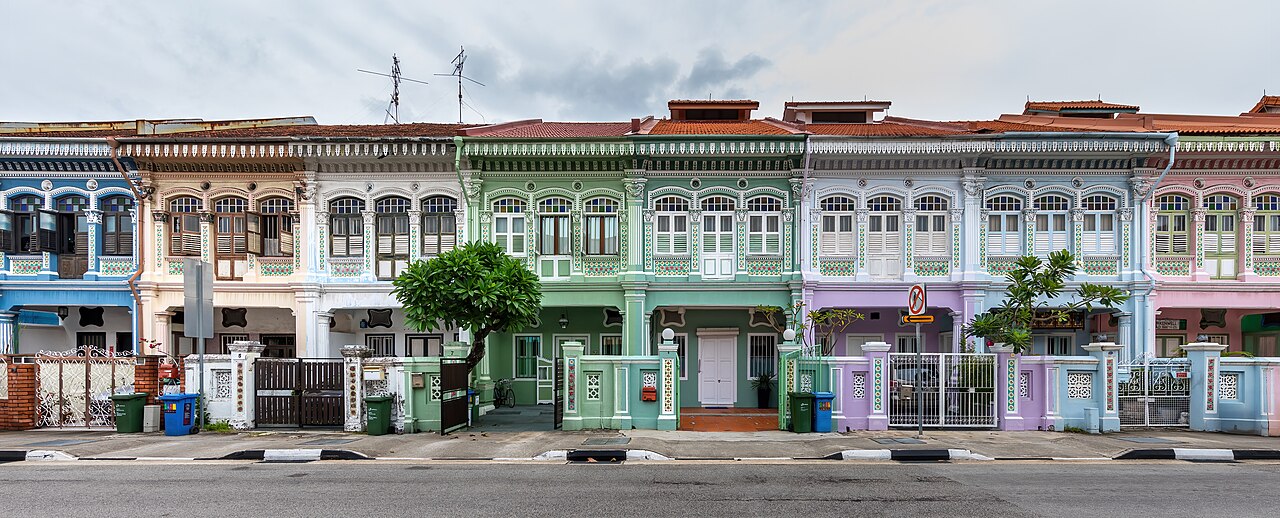
Colorful shophouses and tree in Koon Seng Road, Singapore. Photograph by Basile Morin, CC BY-SA 4.0, via Wikimedia Commons. Architectural context, not a luxury brand store. Source: https://commons.wikimedia.org/wiki/File:Colorful_shophouses_and_tree_in_Koon_Seng_Road_Singapore.jpg